
How Scope Creep Wrecks a Retail Fit-Out Budget
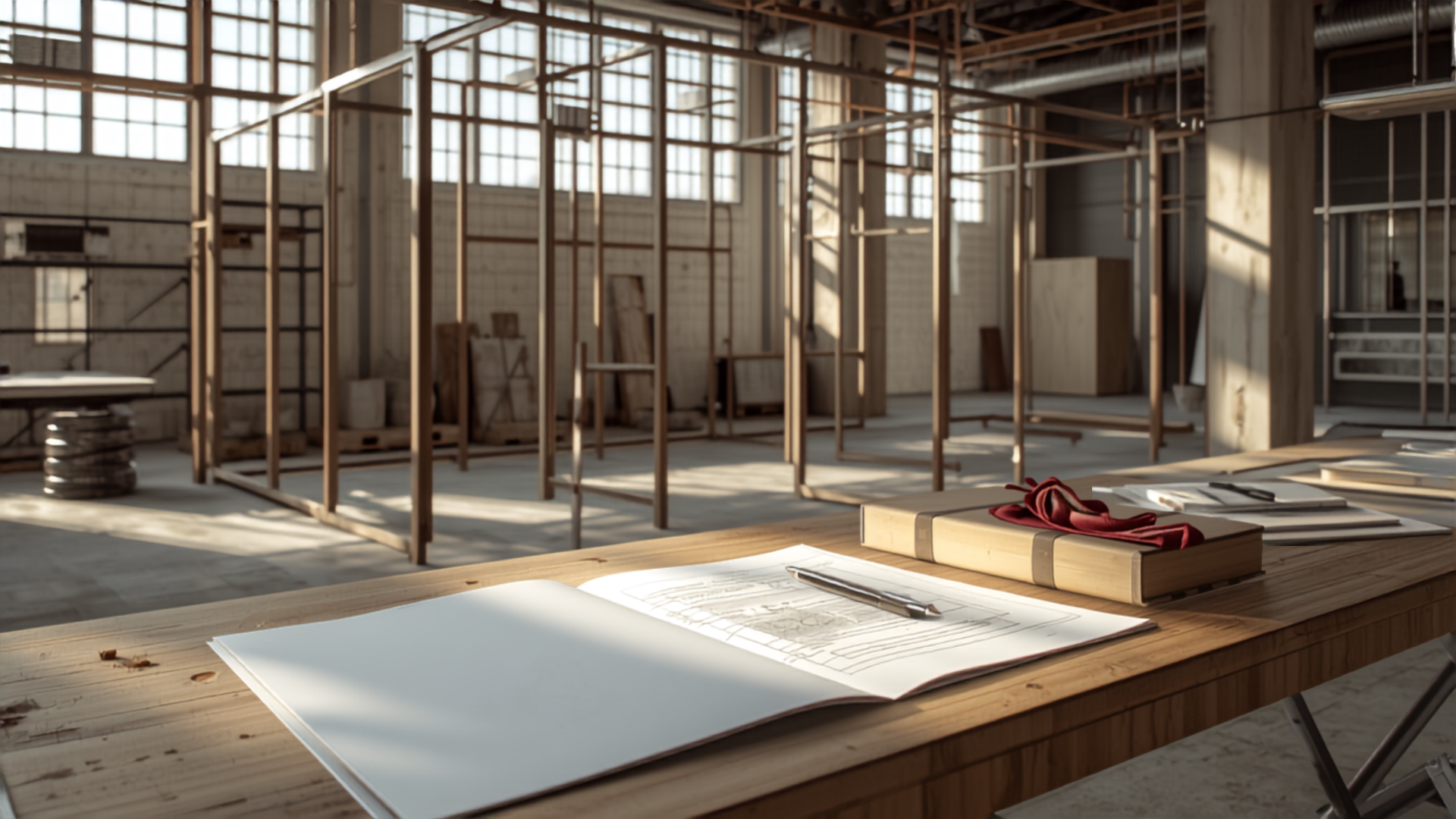
Scope creep is the reason a retail fit-out that looked on budget at the drawing stage opens late and costs more than the quote. It is the slow build-up of small changes agreed after work has started, and every one of them travels through design, procurement, fabrication and install before it ever reaches the site.
One extra light fixture. A different flooring. A counter made a foot longer. On their own, none of these feel like a problem. Put ten of them across an eight-week build and you have a project that has quietly rewritten itself, with a launch date that no longer matches the lease.
What is scope creep?
Scope creep is not a mistake. Nobody sets out to blow the timeline. It happens because decisions keep moving after the point where they should have been fixed. A founder sees the half-built space and wants to make it better. A brand team sends updated guidelines mid-fabrication. An architect refines a detail that looked fine on paper. Each change is reasonable on its own. The damage is in how many teams each one touches, and how quietly the days add up.
Why is one small change never small?
Change a counter size a week into the build and here is what actually has to move:
- The drawing is revised and re-issued to everyone working off it.
- Procurement re-orders material, sometimes at a worse price and a longer lead time.
- Fabrication stops the current piece and re-cuts.
- Logistics re-plans the delivery slot.
- Installation loses its sequence and waits.
- Quality checks run again on the new work.
None of that shows up as a single line on an invoice. It shows up as three days here, a re-order there, a fitter standing idle while the corrected piece is made. On a mall unit with an overnight install window, losing the sequence can cost you the slot completely, and the next one might be a week away. That is the real face of scope creep. It rarely arrives as one big bill. It arrives as lost momentum you cannot buy back.
Scope creep starts before the first change request
The projects that drift are usually the ones that started without a firm brief. If the design was never really closed, every later tweak feels allowed, because nothing was ever locked in the first place. We see a clear pattern across the retail and kiosk work we run from our 6000 sq ft unit in Powai, Mumbai. The jobs that hold their date are the jobs where the scope was fixed before anyone cut material. The jobs that slip are almost always the ones where the brief stayed open a few weeks too long.
How do we hold the line?
Two things do most of the work. The first is a bill of quantities agreed before fabrication starts. Every brand quotes against a clear list of what is being built and what each part costs. So when a change comes in, we can price its real impact on the spot instead of arguing about it after the fact. The kiosks we build and the cafe fit-outs we run both start this way. A vague quote multiplied across a ten-store rollout becomes a budgeting problem fast, so we close that gap early.
The second is a design freeze. Once the brief and the drawings are signed off, that version is what we build. A change after the freeze does not get waved through. It gets costed, dated and put back in front of you as a decision, with the delay attached to it. Most of the time, seeing the true cost of a change answers the question on its own.
Owning the whole chain is what makes this possible. Because design, fabrication and install sit inside one company, a change request lands with the people who actually carry its cost, not a broker passing it down a line of sub-contractors who each add their own delay. That is the same discipline our airport work for Uber forced on us. Building inside live terminals in Mumbai, Pune and Kolkata leaves no room for a mid-build rethink. The window is fixed, the approvals are locked, and the unit has to be right the first time. That habit now runs through every job we take, from a terminal counter to a Penguin Bean or Tuskin cafe.
When is a change worth it?
Holding scope does not mean saying no to every idea. Some changes earn their delay. A safety fix, a compliance requirement, a real error in the drawing, those get made without argument. For everything else, the test we put on the table is one plain question. Is this improvement worth pushing the opening date? Sometimes it is. Most of the time, once the cost in days and money is visible, the honest answer is that the space was already good enough to open and start earning.
This matters most on a rollout. A single store can absorb a week of changes and survive. A brand opening ten units in ten cities cannot, because every tweak that slips into one site tends to repeat across all of them. Predictable replication beats a slightly better store that lands late. The specification that gets built the same way every time is worth more than the one that keeps improving in transit.
A store that opens on schedule starts paying back the lease and the marketing behind it. A store that slips two weeks for changes nobody will ever notice is paying rent on an empty space while the fit-out chases a moving target. Protecting the scope is really protecting the opening date, and the opening date is where the money is.
Planning a kiosk, cafe or retail rollout and want it to open on the date you promised? Discuss your project with the team that designs, builds and installs it under one roof.
