
The Hidden Cost of Choosing the Cheapest Contractor
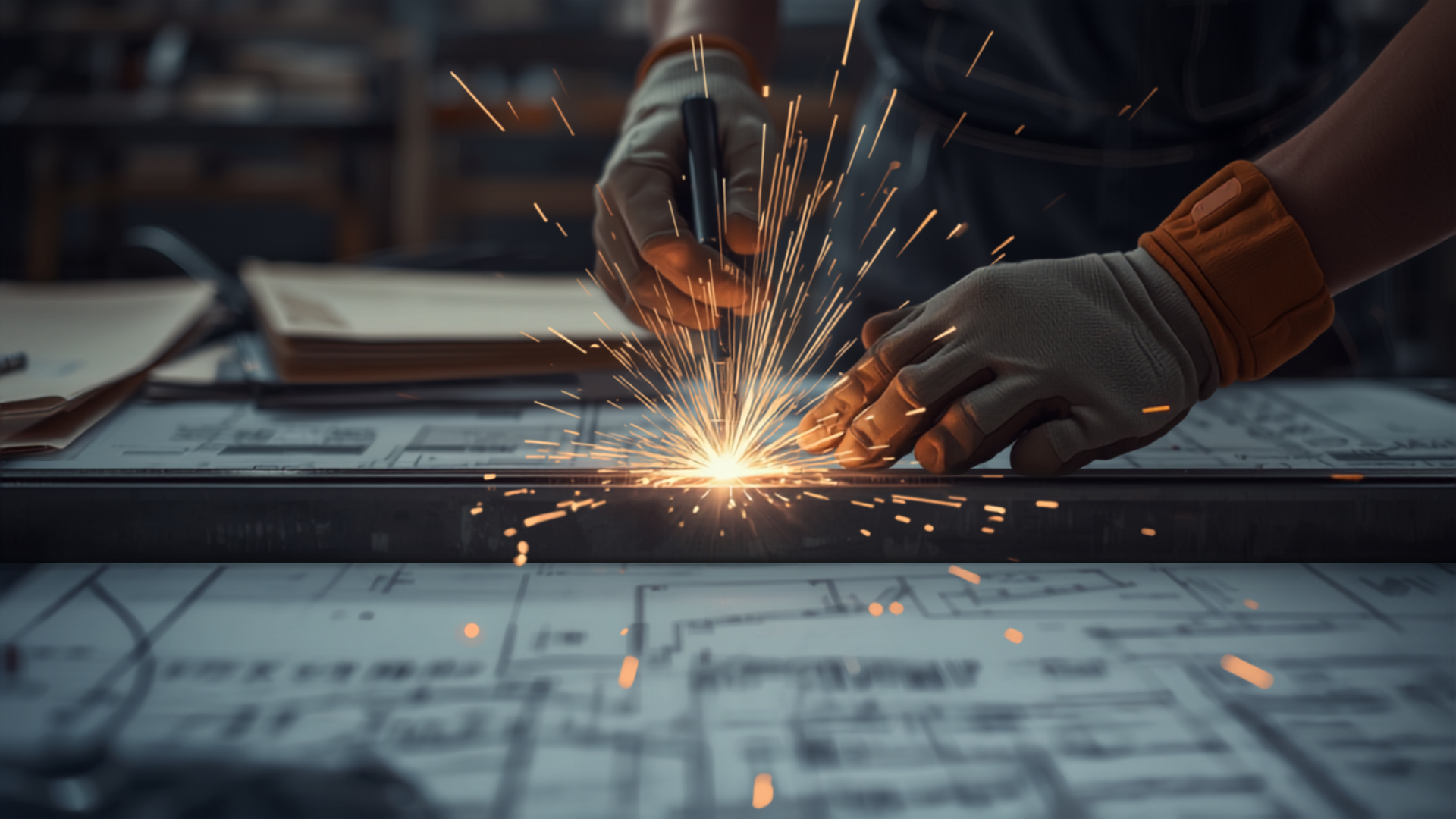
The lowest quote on your retail or F&B build is usually the one that costs you the most. It never shows up on the first invoice. It shows up three weeks later as a slipped opening date, a counter that has to be ripped out and redone, and a line item nobody warned you about.
Every founder and expansion head wants to control cost. That's the job. But there's a gap between a cheap quote and a cheap project, and a lot of retail teams only find it after they've signed. We've built kiosks and F&B spaces across malls and airports from our own unit in Powai, Mumbai, and the pattern repeats often enough that it's worth writing down.
Why does the lowest bid win the order and lose the project?
A low number is easy to approve. It looks like a win in the budget meeting, and the person who found it looks sharp. So the order goes to whoever quoted least.
The problem is that a commercial fit-out isn't a fixed thing being priced the same way by every bidder. The cheap quote is usually cheap because it left something out. Sometimes that's deliberate, sometimes it's just a vendor who didn't scope the job properly. Either way, the missing work doesn't disappear. It comes back to you as a variation, and variations get priced when you have no room to push back, because the site is half-built and your opening date is close.
So the quote you compared was never really the price. It was the entry ticket.
What does a cheap quote actually leave out?
When a bid comes in well under the others, the money saved is usually sitting in one of these places.
Services. Power runs, water, drainage, the counter heights that decide whether your staff can actually work. On an F&B unit these have to be planned before fabrication. A cheap quote often assumes them away and hopes the site sorts it out later. It doesn't, and retro-fitting services on a live site is slow and ugly. On a retail kiosk the same rule holds. The services get planned from the first drawing or they get paid for twice.
Finishing quality. The difference between a laminate that survives two years of public handling and one that peels at the edges in three months doesn't show in a photo. It shows in the material spec. A low bid quietly downgrades the spec and you find out on site.
Compliance. A mall gives you a narrow overnight window to install. An airport gives you documented materials, controlled access, and an inspection you cannot fail. A contractor who's never worked to that bar will quote as if none of it exists, then stall the first time a facility manager asks for paperwork.
Coordination. This is the big one, and it's invisible. Split a job across a designer, a fabricator and a local installer and every gap between them becomes your problem to manage. The cheap quote priced only their slice. Nobody priced the person who has to hold the whole thing together, so that person ends up being you.
The bill of quantities test
The fastest way to see through a cheap quote is to ask for the bill of quantities behind it. A real BOQ lists what's being built, in what material, in what quantity, before anything is cut. When two quotes are far apart, put their BOQs side by side. Nine times out of ten the cheap one is thinner, and now you can see exactly which work it left out.
If a vendor can't give you a clear BOQ, that's the answer. They're quoting a feeling, not a build, and the number will move once you're committed. We quote every unit against a BOQ for exactly this reason. On a rollout, one vague quote multiplied across ten cities turns into a real budgeting problem, so we kill the vagueness at the start.
The real cost is the opening date
Here's the part the budget meeting misses. The cost of a retail project isn't the invoice. It's how fast the space starts earning.
A unit that lands a week late can mean a week of paid retail space sitting empty, staff on payroll with nothing to run, and a launch that drifts past the marketing meant to carry it. Add up a week of dead rent in a good mall and it dwarfs whatever you saved on the quote. The cheap contractor didn't save you money. They moved the cost somewhere it wouldn't be counted until later.
Predictability is worth almost as much as the build itself. A partner who can name a date and stand behind it is doing something the low bidder usually can't.
How do we price a job, and why does it hold?
We took the coordination layer out. The team that quotes your job is the team that cuts, welds, laminates and wires it, in our own 6000 sq ft unit. There's no middleman adding margin and handing the real work to a workshop you never meet. Quality control happens on our floor, before the unit ships, not on your site in front of your customers.
Because the production queue is ours, we can hold a schedule. A standard kiosk goes from frozen design to installed unit in about 8 to 25 days, depending on complexity and what the site allows. We're not waiting in line at someone else's shop or chasing a separate installer's calendar. One team sequences design, fabrication and install against one date.
That discipline came from the hardest place to build anything. We ran the airport programme for Uber across Mumbai, Pune and Kolkata, where the compliance bar is high and the install windows are measured in minutes. Documented materials and a clean handover stopped being extra work and became how we build everywhere, from a terminal to a mall atrium. You can see the range of that work on our projects page.
What should you ask before you sign?
You don't need to become a fabrication expert to avoid the cheap-quote trap. A few questions do most of the work. Ask for the BOQ, and read what's in it against what's missing. Ask who actually builds the unit, and whether that's the same team quoting it. Ask what the material spec is, in writing, with the actual material named rather than a pretty render. And ask what happens to the price and the date if the scope shifts, because it always shifts a little.
A serious partner answers all of that without flinching. A cheap one gets vague, and the vagueness is the warning.
If you're weighing quotes for a kiosk, a cafe, or a national rollout and one of them looks too good to be true, send us the brief and the sites. We'll come back with a design direction and a clear bill of quantities, so you can see what you're really paying for before anyone cuts a thing. Discuss your project with the team that will build it.
